A Beginner’s Guide to Building a British Storecupboard from Scratch
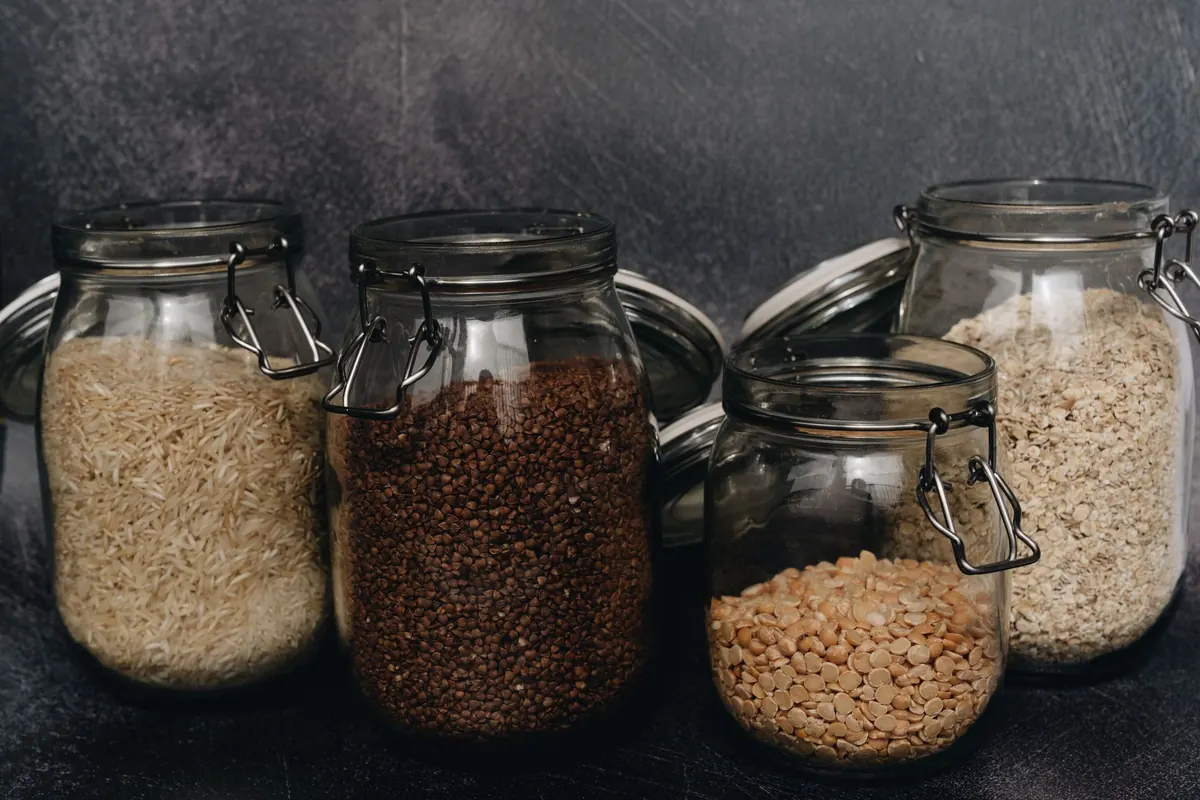
Building a storecupboard from nothing can feel like a very long shopping list. It does not have to be. A working British kitchen cupboard is really a small collection of dependable ingredients that overlap, so a bag of flour, a tin of tomatoes and a block of butter can turn into four or five different dinners. Start with the basics, add a few British flavourings, and let the cupboard grow with your cooking. Here is what to buy first, how to store it, and how to use it on an ordinary Tuesday.
Start With the Plain Basics
The foundation is boring, and that is the point. Flour, sugar, oats and oil cover cakes, sauces, scones, crumbles, breakfast and dinner. Buy sizes you will realistically get through: a 1kg bag of flour stays fresher than a sack that sits at the back of a cupboard for two years.
- Plain flour – sauces, pastry, Yorkshire puddings, thickening
- Self-raising flour – scones, sponges, dumplings, traybakes
- Caster and granulated sugar – baking and sweetening; granulated is cheaper for everyday use
- Soft light brown sugar – crumbles, flapjacks, gingerbread
- Porridge oats – breakfast, crumble topping, flapjacks, meatloaf
- Cornflour and baking powder – thickening and lift
- Salt and black peppercorns – the two you will reach for daily
- Rapeseed or vegetable oil, plus olive oil – cooking and dressing
- Malt vinegar and white wine vinegar – chips, dressings, pickling
Add bicarbonate of soda if you plan to bake gingerbread or parkin, and dried yeast if bread is on your list.
The British Flavour Shelf
This is where a cupboard starts to taste like home. A handful of jars and bottles adds depth to almost anything, and most keep for months.
Marmite, brown sauce, Worcestershire sauce and English mustard earn their place fastest. A teaspoon of Marmite stirred into gravy or a stew gives a savoury backbone without tasting of Marmite itself. Brown sauce belongs in a shepherd's pie, a bacon sandwich and a cheese toastie. Worcestershire sauce lifts cheese on toast, tomato soup and bolognese. Mustard powder whisked with a little water makes a sharp cheese sauce or a glaze for roast ham.
Then add golden syrup, black treacle, jam or marmalade, custard powder and a tin of evaporated milk, and puddings are covered. Golden syrup makes flapjacks and treacle tart; treacle makes gingerbread dark and sticky; custard powder turns a bowl of tinned fruit into an actual pudding. Tea bags go without saying.
Tins and Packets That Do the Heavy Lifting
Tinned tomatoes are the single most useful tin in the cupboard. With tomato purée, stock cubes, dried pasta, long-grain rice and a couple of tins of beans or chickpeas, they cover pasta, curry, soup, chilli and a quick tea when the fridge is nearly empty.
Keep a bag of dried red lentils too. They cook in about twenty minutes without soaking, thicken soups, and make a decent dhal with an onion, a stock cube and a spoon of curry powder. Pudding rice is cheap and becomes rice pudding with milk, sugar and a grating of nutmeg. Tinned tuna, sweetcorn and baked beans are not glamorous, but they are the reason a proper meal is possible on the day you have not shopped.
Build It in Stages
Nobody needs to buy all of this at once, and trying to will leave you with things you never use. Add one or two extras to each weekly shop instead and let the cupboard fill over a couple of months.
- Start with salt, pepper, oil, flour, sugar, stock cubes and tinned tomatoes.
- Buy herbs and spices in small packets from the world food aisle rather than big jars; they lose their punch after a year or so.
- Own-brand basics – flour, oats, tinned tomatoes, rice – are usually indistinguishable from the expensive versions.
- Check dates as you buy. A tin dated two years out is a better buy than a jar dated next month.
- Note what you actually use up. That list, not a magazine one, is your real shopping list.
Store It So It Lasts
Flour, oats, rice and sugar keep best in a cool, dark cupboard away from the oven, kettle and radiator. Heat and steam are what turn oats into a solid block and make brown sugar set like concrete.
Decant dry goods into jars or containers with a good seal, and label them with the contents and the date you opened them. Keep the original packet if it carries cooking times, folded behind or inside. If you are worried about weevils in flour, more common in warm weather, put the bag in the freezer for a few days when it comes home, then move it to the cupboard; it does not affect how the flour bakes.
Keep oils out of direct sunlight, and store strong flavourings such as Marmite, mustard and curry powder away from the tea, or your next cup will taste of them. Moving older items to the front when you unpack the shopping keeps everything in use.
Three Everyday Meals From a Beginner's Cupboard
A tin-and-herb pasta sauce
Soften an onion in oil, add a tin of chopped tomatoes, a squeeze of tomato purée, a crumbled stock cube, a teaspoon of dried mixed herbs and a pinch of sugar. Simmer for fifteen minutes while the pasta cooks. A dash of Worcestershire sauce or a teaspoon of Marmite at the end adds depth. Enough for two generous portions, and it freezes well.
Better beans on toast
Warm a tin of baked beans in a pan with a knob of butter, a dash of Worcestershire sauce and black pepper. Toast good bread, butter it, pile the beans on top and finish with grated cheese if you have it. Five minutes, and considerably better than the microwave version.
Flapjacks for the tin
Melt 125g butter with 4 tablespoons of golden syrup and 75g soft light brown sugar. Stir in 250g porridge oats and a pinch of salt. Press into a lined tin and bake at 180°C (160°C fan) for about twenty minutes until the edges are golden. Cut while warm and cool in the tin. They keep for a week in an airtight container.
Start This Week
If you are beginning from an empty cupboard, buy these ten things and cook from them for a fortnight: plain flour, self-raising flour, caster sugar, porridge oats, salt, black pepper, rapeseed oil, tinned tomatoes, stock cubes and dried pasta. Add eggs, butter and milk from the fridge and you can make pancakes, scones, pasta sauce and porridge without another trip to the shop.
After that, add one new item a week – a jar of Marmite, a bag of lentils, a bottle of brown sauce – and use it in something. The cupboard will build itself around what you actually cook. If you are cooking for anyone with an allergy or a dietary condition, read labels carefully and check with them first; sauces and stocks are not always obvious about what is in them.
Photo: alleksana / Pexels